
Skip to content

484-458-2807

[email protected]

I-Fungus-Ma

Mycology course

I-Fungus-Ma

Mycology course

  • Home
  • About us
  • Courses
    • Fundamentals of mycology
    • Mycology for professionals
    • Mycology and algology
    • Practical course
  • Blog
    • Biology
    • Care about plants
  • Contact
  • Home
  • About us
  • Courses
    • Fundamentals of mycology
    • Mycology for professionals
    • Mycology and algology
    • Practical course
  • Blog
    • Biology
    • Care about plants
  • Contact

484-458-2807

[email protected]

I-Fungus-Ma

Mycology course

484-458-2807

[email protected]

Fundamentals of mycology

mushrooms

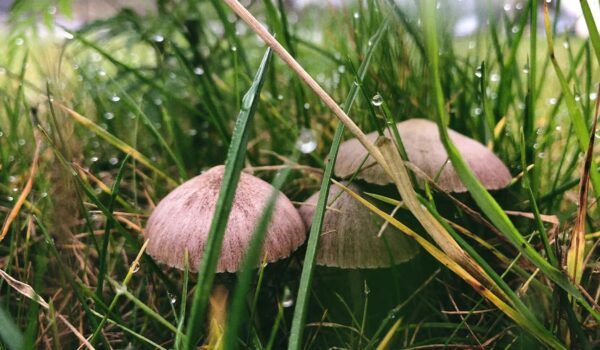
Broadly speaking, mycology can be defined as the branch of biology that deals with the study of fungi. Contrary to popular belief, fungi are not and should not be classified as plants. In fact, far from it, fungi can be defined as eukaryotic organisms that have chitinous cell walls and are heterotrophic, meaning they cannot produce their own food due to a lack of chlorophyll or similar compounds.

They are usually divided into two forms: yeast or yeast-like fungi (unicellular organisms) and filamentous fungi (multicellular organisms). In addition to the fact that, unlike animals and plants, fungi do not have true tissue, i.e. in the vast majority of fungi, their body consists of rows of filaments (hyphae) that grow as they grow, bifurcate to form the body of the fungus (mycelium), so they do not have differentiated organs or structures like other eukaryotes.

They reproduce mainly through spores, which play an important role as decomposers of organic matter (like bacteria). The most well-known groups include yeasts, fungi, and molds. Due to these characteristics, fungi are classified in a taxon different from plants and animals, respectively, and belong to the kingdom of fungi.

Course program:

Lecture 1: Systematics – the science of classification
Lecture 2. Mycology – the science of fungi
Lecture 3. Reproduction and life cycles of fungi
Lecture 4. Fungi and fungi in the system of the organic world
Lecture 5. Zygomycotic fungi as a polyphyletic group
Lecture 6. Ascomycotic fungi.
Lecture 7. Basidiomycotic fungi
Lecture 8. Lichens

Enter a query

Blog

  • Fungi-Themed Online Slot Games and the Rising Popularity of Nature Elements in Gambling
  • SupaBet Casino DE: Wie Blockchain-Technologie das Online-Glücksspiel revolutioniert
  • Navigating the High Stakes: Maximising Your Clubhouse Casino Experience in Australia
  • Chicken Road 2: A New Dimension of Virtual Slots for UK Gamblers – The Perfect Blend of Fun and Profit
  • Mastering the Odds at Crown Gold Casino: A Comprehensive Guide for Australian Betting Enthusiasts
  • Mastering the Art of Winning at OscarSpin Casinos Slots and Games in the Land Down Under
  • Mastering the Art of Pokiesurf Casino Games: A Comprehensive Guide for Australian Enthusiasts
  • Growing Mushrooms at Home: A Comprehensive Guide

Categories

  • Biology
  • Care about plants

Courses

  • Fundamentals of mycology
  • Mycology for professionals
  • Mycology and algology
  • Practical course

Main

  • Home
  • About us
  • Contact
  • Privacy Policy

Courses

  • Fundamentals of mycology
  • Mycology for professionals
  • Mycology and algology
  • Practical course

Blog

  • Biology
  • Care about plants

Articles

  • Fungi-Themed Online Slot Games and the Rising Popularity of Nature Elements in Gambling
  • SupaBet Casino DE: Wie Blockchain-Technologie das Online-Glücksspiel revolutioniert
  • Navigating the High Stakes: Maximising Your Clubhouse Casino Experience in Australia
  • Chicken Road 2: A New Dimension of Virtual Slots for UK Gamblers – The Perfect Blend of Fun and Profit
Copyright 2023